UK Sports Fans Gear Up for 2026 FIFA World Cup Amid Evolving Betting Patterns
David Patterson · Jun 12, 2026

UK Sports Fans Gear Up for 2026 FIFA World Cup Amid Evolving Betting Patterns
Interest among UK sports fans in the 2026 FIFA World Cup continues to build as the tournament draws closer, with surveys indicating strong intentions to follow matches and engage with related activities. Data from recent studies shows that a significant portion of fans plan to track the event closely once it begins in June 2026, reflecting broader patterns of anticipation for major international football competitions. This level of engagement aligns with historical trends where global tournaments draw widespread attention across the UK, though current figures point to specific shifts in how audiences interact with the event.
High Intent to Follow the Tournament
Research conducted among UK adults reveals elevated levels of planned viewership and participation for the upcoming World Cup, with many expressing clear commitments to following games through various media channels. Observers note that this intent stems from the tournament's scale, which spans multiple host nations and features expanded team formats compared to previous editions. Those who've examined the data find that fans across different age groups and regions demonstrate consistent interest, creating a foundation for sustained audience numbers throughout the competition period.
Shift Toward In-Play and Proposition Betting Markets
A notable change appears in betting preferences, where UK participants show increased movement away from traditional match outcome wagers and toward in-play options along with proposition markets. Figures indicate that these alternative formats now capture greater shares of activity, driven by the real-time nature of in-play betting that allows adjustments during matches. Experts have observed this transition through transaction records, highlighting how proposition bets on individual player performances or specific game events gain traction as the tournament approaches. Such patterns suggest that betting operators may adjust offerings to align with these preferences in the lead-up to June 2026.
Concerns Over Cross-Promotion to Casino Content
Alongside betting trend data, reports flag concerns regarding cross-promotion practices that link sports betting platforms to casino-style content. Regulators and industry monitors have documented instances where promotions for World Cup-related bets lead users toward additional gambling products outside traditional sports markets. This connection raises questions about responsible engagement, particularly as operators seek to maximize user retention during high-profile events. Data collected on promotional flows shows measurable increases in such redirects during past tournaments, prompting ongoing reviews by oversight bodies.
Data on Concentrated Spending Patterns
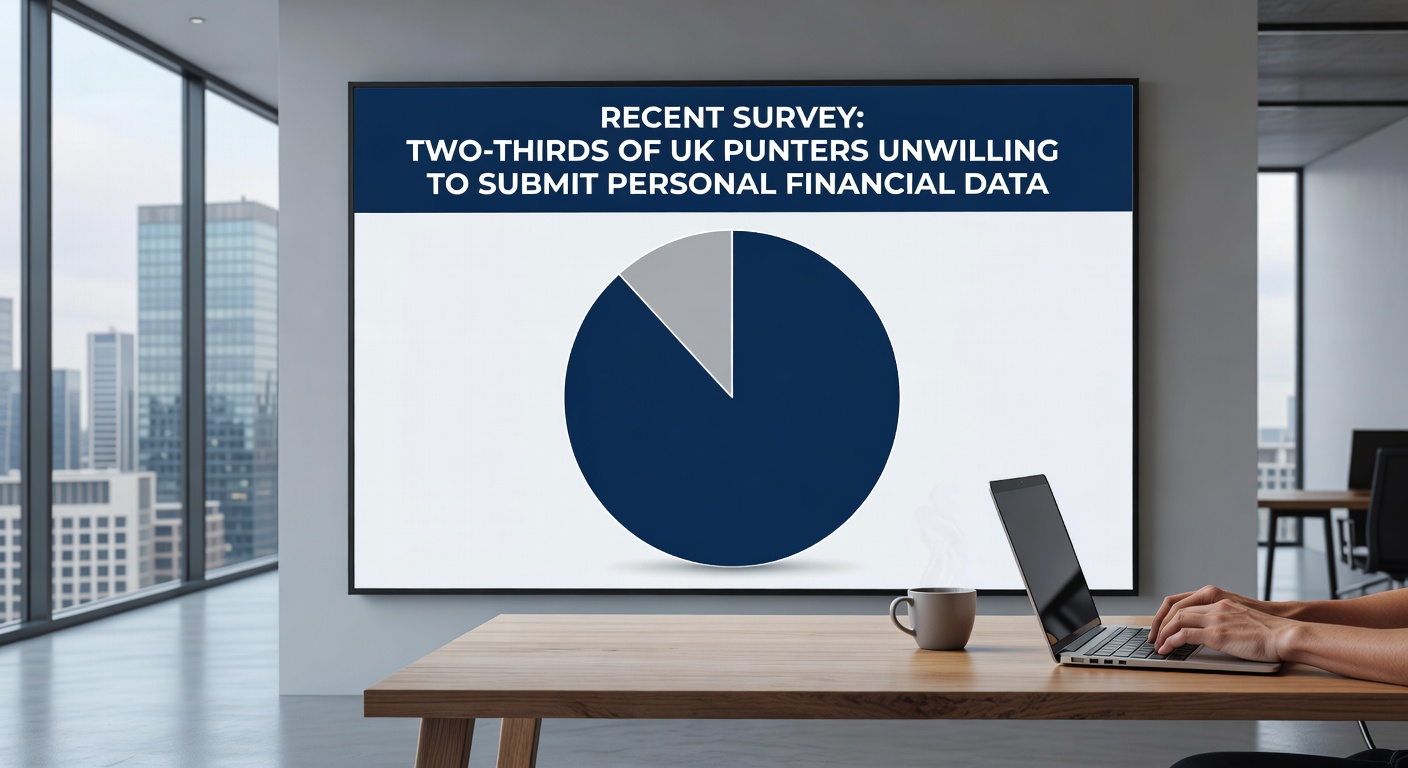
Analysis of UK gambling behavior reveals concentrated spending among a smaller subset of participants, with statistics demonstrating that a limited group accounts for disproportionate shares of overall activity. This distribution holds particular relevance for the 2026 World Cup period, as major events often amplify existing patterns in transaction volumes. Researchers tracking these metrics point to consistent findings across multiple datasets, where top spenders drive much of the revenue while broader user bases remain more moderate in their involvement. Such concentration informs discussions around industry practices and consumer protections as the tournament nears.
What's interesting here involves how these elements interconnect within the single framework of fan interest and market responses. For instance, the same surveys capturing high followership intent also track betting channel preferences, creating linked insights into audience behavior. Those monitoring the space find that in-play markets expand alongside overall interest levels, while spending concentration remains a steady feature regardless of event timing.
Broader Context for June 2026 Preparations
Preparations for the World Cup in June 2026 include adjustments by betting operators to accommodate shifting market demands, with emphasis on proposition and in-play products. UK-based platforms review historical data from earlier tournaments to project engagement levels, incorporating findings on fan intent and spending distribution. This approach allows for targeted offerings that match observed preferences without altering core regulatory frameworks. Evidence from prior cycles shows that such alignments can influence participation rates, though current projections remain grounded in existing patterns rather than speculative growth.
Observers note that cross-promotion concerns factor into these preparations as well, leading some operators to refine advertising strategies ahead of the event. Data on user pathways from sports bets to casino content provides a basis for these refinements, ensuring compliance with established guidelines. Meanwhile, the concentrated nature of spending continues to shape risk assessments, as operators and regulators alike examine how a core group of participants might respond to expanded market options during the tournament.
Conclusion
The combination of strong fan interest, evolving betting preferences, and documented spending patterns sets the stage for the 2026 FIFA World Cup in the UK context. As June 2026 approaches, available data continues to inform how stakeholders address these dynamics through measured responses rather than broad assumptions. This focused view on the specific trends highlights the interconnected aspects of audience engagement and market activity without extending beyond the reported findings.