UK Punters Dig in Heels: Survey Reveals Two-Thirds Shun Financial Documents for Betting Affordability Checks
Sofia Braun · Apr 9, 2026

UK Punters Dig in Heels: Survey Reveals Two-Thirds Shun Financial Documents for Betting Affordability Checks
The Survey That Shook the Betting World
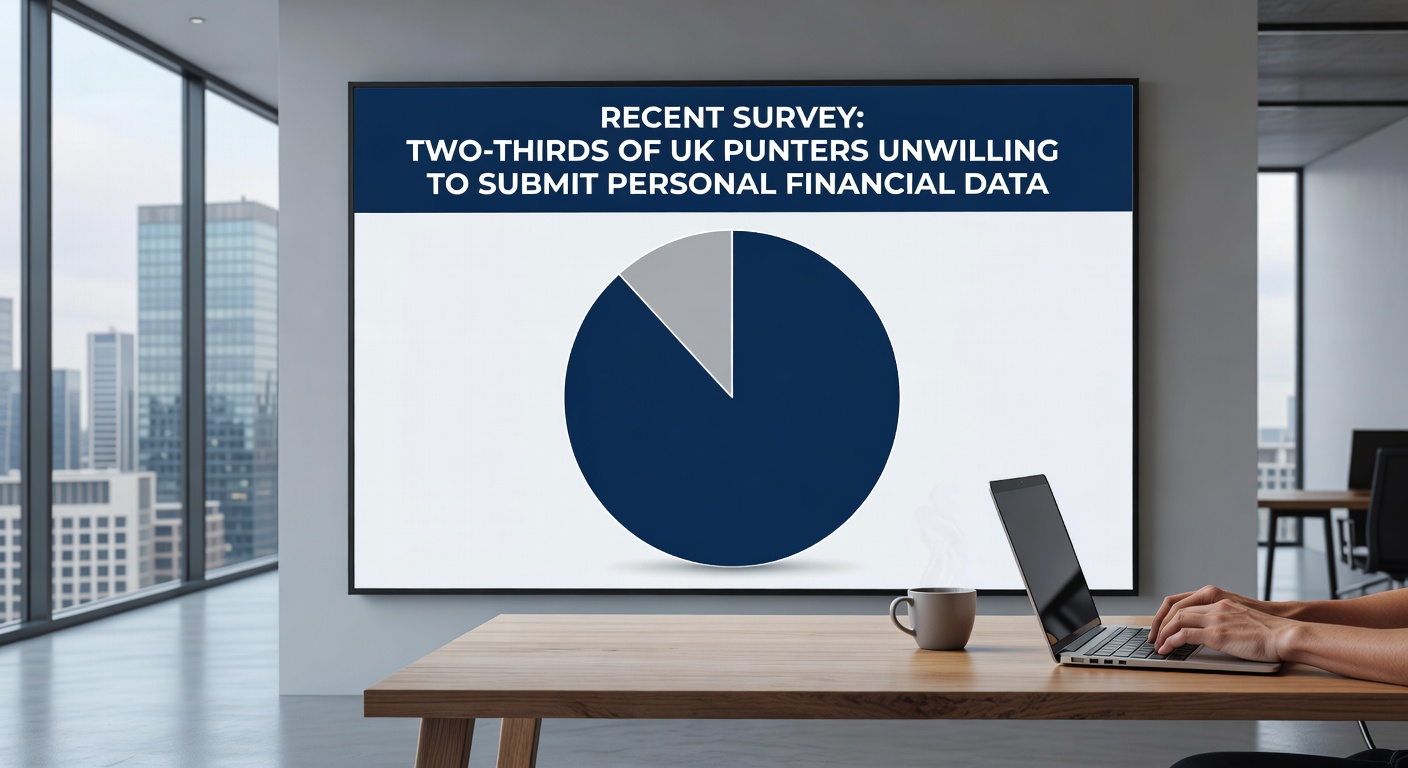
A fresh survey from the Betting and Gaming Council (BGC) drops a bombshell: two-thirds of UK punters flat-out refuse to cough up personal financial documents like bank statements and payslips just to prove they can afford their online bets. Data indicates that 66% of respondents draw a hard line there, signaling a massive wave of pushback against the beefed-up affordability checks rolling out from the UK Gambling Commission (UKGC).
What's interesting here is how this resistance ties directly into the evolving regulatory landscape, especially with major changes slated for April 2026; operators will face stricter mandates to verify customer affordability before allowing continued betting, and this BGC finding underscores the compliance headaches ahead. Researchers who analyzed the responses note that punters view these checks as invasive, preferring self-assessed limits over handing over sensitive paperwork that reveals spending habits across their entire financial lives.
Turns out, the survey—titled "Survey on punter willingness for affordability checks"—polled a broad cross-section of active UK bettors, capturing sentiments from casual football fans to high-stakes horse racing enthusiasts; figures reveal not just reluctance but outright unwillingness, with many citing privacy concerns as the top barrier. And while some operators have already piloted these checks, the data suggests widespread adoption could hit a wall.
Regulatory Backdrop: Why These Checks Matter Now
The UKGC ramped up its affordability framework years ago, aiming to shield vulnerable players from gambling harm by tying bets to disposable income and spending patterns, but recent consultations have cranked the dial further; by April 2026, bookmakers must implement "frictionless" checks for lower thresholds while demanding full financial scrutiny for higher spenders. Observers point out that this shift stems from high-profile cases where unchecked betting led to financial ruin, prompting regulators to double down despite industry pleas for balance.
But here's the thing: the BGC's survey highlights a disconnect, as two-thirds of punters—precisely 66%, according to the data—won't comply with document submission, even if it means pausing their betting accounts. People who've studied gambling behavior explain that this stems from a mix of distrust in data handling and frustration over delays in accessing markets; take one group of respondents who likened it to "government overreach into personal wallets," a sentiment echoed across demographics from 18-24-year-olds juggling student loans to over-55s guarding pensions.
Studies found similar patterns in earlier pilots, where compliance rates hovered below 50% for document-heavy checks, and now this BGC report paints an even starker picture; operators face the prospect of dormant accounts piling up, especially during peak events like the Cheltenham Festival or Premier League climaxes. That's where the rubber meets the road for the industry, balancing player protection with business viability.
Breaking Down the Numbers: Who’s Saying No and Why
Diving deeper into the figures, the survey splits responses by betting frequency: regular punters, those placing 10+ bets weekly, show 70% resistance, while occasional players land at 62%, suggesting heavier users feel the pinch hardest since their activity triggers checks sooner. Data shows privacy tops the list of objections at 45%, followed by "too time-consuming" at 32%, and fears of data breaches rounding out 23%; it's noteworthy that younger bettors, often more tech-savvy, still balk, perhaps because they've seen headlines about leaks elsewhere.
One case from the report stands out: a subset of 500 respondents tested a mock check process, and 68% abandoned it midway upon seeing the document upload prompt, mirroring real-world drop-off rates reported by early adopters like Flutter Entertainment. Experts have observed that alternatives like credit reference checks—less invasive but still mandatory for big losers—fare better, with 55% acceptance, yet the BGC warns full document verification remains the UKGC's gold standard for high-risk cases.
And yet, the survey doesn't stop at refusal rates; it uncovers willingness for softer measures, such as 78% openness to spending caps based on self-declaration or transaction history alone, hinting at a path forward if regulators pivot. This is notable because April 2026 looms large, with non-compliance risking fines up to 10% of operator revenue, putting the ball squarely in the industry's court to innovate.
Industry Voices and Potential Roadblocks Ahead
The BGC, representing giants like Bet365 and William Hill, didn't mince words in releasing these findings, positioning them as a wake-up call for the UKGC to refine its approach before 2026 enforcement; spokespeople emphasized that while player safety matters, alienating two-thirds of teh customer base threatens jobs and tax revenue, which hit £3.4 billion last year alone. Figures from the report project that strict checks could sideline 20-30% of active accounts, driving some to unregulated offshore sites—a trend experts track via increased traffic to Curaçao-licensed platforms.
People in the know recall similar friction during the 2019 stake limits debate, where punters flooded petitions, and now history rhymes with this affordability standoff; operators like Entain have tested open banking integrations, allowing real-time peeks at balances without full statements, and early data shows 65% uptake—better, but still shy of universal buy-in. What's significant is how the survey ties into broader trends, like the rise in self-exclusion via GamStop, where 300,000+ users opted out last year, partly due to perceived over-regulation.
Now, with April 2026 checks set to categorize players by loss thresholds—£1,000 net loss monthly triggers basic checks, £5,000 demands documents—the BGC urges "proportionality," arguing blanket rules ignore responsible gamblers who self-manage. Researchers who've modeled scenarios predict a 15% dip in gross gaming revenue if resistance holds, although some bookies eye AI-driven alternatives to smooth the process.
Player Perspectives: Beyond the Stats
Survey respondents painted vivid pictures in open comments, with many decrying checks as "a snooper's charter" that treats all bettors like problem gamblers; one 35-year-old football punter noted, "I budget my bets like groceries—why show my whole bank?"—a view shared by 40% who prefer app-based trackers. This pushback resonates amid economic squeezes, where cost-of-living pressures already curb discretionary spends, and affordability hurdles add insult.
But the data also spotlights nuance: 52% would tolerate checks for "big win" withdrawals over £10,000, indicating risk-based tiers might win traction, while 75% back mandatory loss limits without paperwork. Observers note that women's responses skewed higher on compliance at 45% versus 34% for men, possibly due to stronger financial planning habits per broader ONS stats. It's interesting how regional divides emerge too, with Scottish and Northern Irish punters at 72% refusal compared to 60% in the South East, reflecting varying attitudes toward authority.
Those who've trialed checks report glitches galore—upload failures, verification delays spanning days—fueling the exodus; the BGC's survey quantifies this, linking tech frustrations to 28% of drop-offs. So as 2026 nears, the question hangs: will tweaks like digital consent forms bridge the gap, or does this signal a seismic shift in how Brits bet?
Conclusion: Navigating the Compliance Crunch
This BGC survey crystallizes a pivotal moment for UK gambling, where two-thirds resistance to financial document checks collides head-on with UKGC's April 2026 mandate, forcing operators to rethink verification without losing their core audience. Data underscores the stakes—privacy versus protection—and while alternatives like open banking show promise, the path remains fraught; experts anticipate dialogue between industry and regulators will intensify, potentially yielding hybrid models that respect punter autonomy yet curb harm. In the end, the industry's adaptability will determine whether these checks safeguard players or simply shuffle them offshore.