Strategic Timing in Multi-Event Markets: Synchronizing Athlete Cycles with Capital Protocols
Sofia Braun · Jun 26, 2026
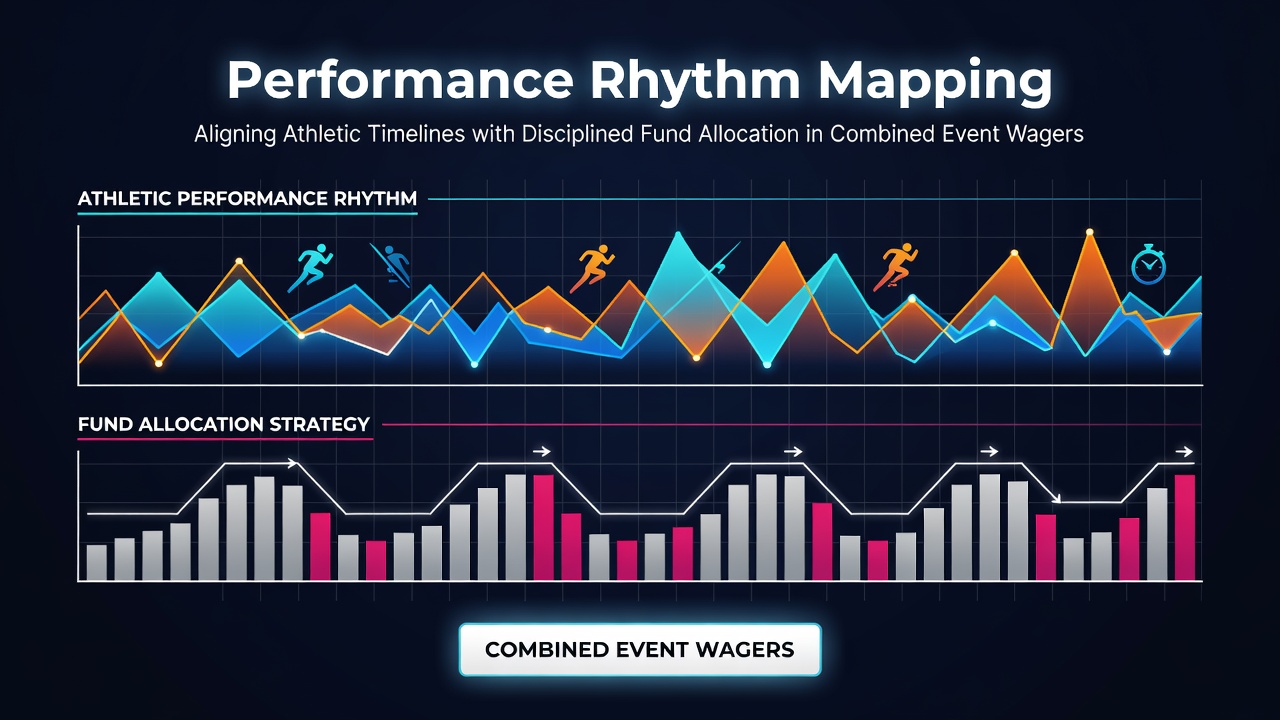
Strategic Timing in Multi-Event Markets: Synchronizing Athlete Cycles with Capital Protocols
Performance rhythm mapping tracks the peaks and troughs in athletic schedules across multiple disciplines, allowing systematic alignment of wager timing with those cycles while enforcing rigid fund allocation rules for combined event markets. Data from industry reports shows that bettors who apply such mapping reduce variance in multi-leg accumulator outcomes by coordinating stakes with documented performance windows rather than reactive decisions.
Researchers at academic institutions have documented how seasonal calendars in tennis, athletics, and team sports create predictable windows of elevated output. Those windows coincide with major tournament clusters, and mapping software now integrates fixture lists with historical performance metrics to flag optimal entry points for parlay structures. Observers note that June 2026 features overlapping European track and field meets alongside North American baseball schedules, creating layered opportunities where timing precision directly influences allocation percentages across legs.
Core Components of Rhythm Mapping
Mapping begins with compilation of event timelines, athlete recovery data, and venue-specific trends, then layers those elements onto bankroll distribution matrices. Each matrix assigns percentage caps per leg based on the strength of the mapped signal, ensuring no single combined wager exceeds predefined exposure thresholds. Studies from the University of Nevada, Las Vegas gaming research unit indicate that structured mapping correlates with steadier return profiles in accumulator formats compared with unstructured approaches.
Allocation protocols operate through tiered staking models that adjust dynamically as mapped rhythms evolve. Early-season indicators might trigger smaller initial commitments, while confirmed mid-cycle peaks allow scaled increases within the same overall bankroll envelope. This progression prevents overcommitment during transitional periods when athletic output fluctuates most sharply.
Integration with Combined Event Structures
Combined event wagers, such as cross-sport accumulators or multi-stage tournament parlays, benefit when each leg receives a mapped confidence score before capital assignment. Scores derive from statistical overlays of form curves, travel schedules, and historical head-to-head timing, then translate into proportional stake sizes. European Gaming and Betting Association data reveals growing adoption of these scoring systems among professional syndicates handling multi-event portfolios.
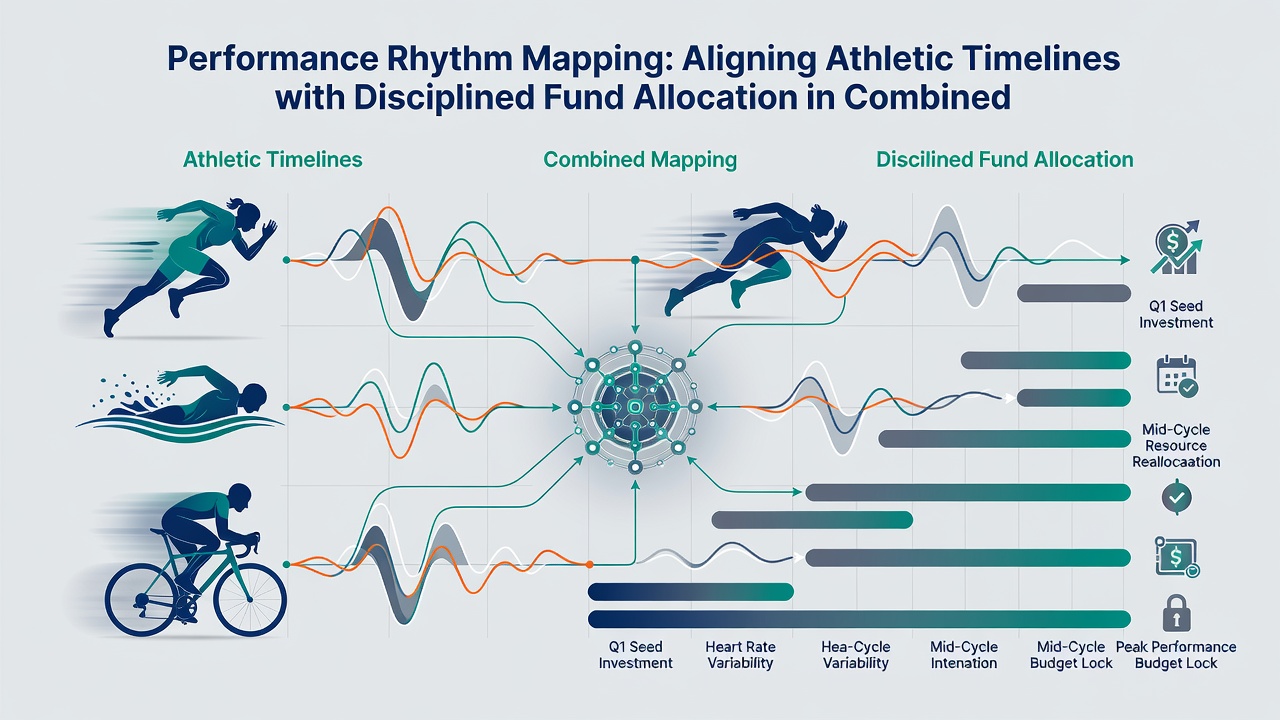
June 2026 schedules illustrate the method clearly. A mapped accumulator might combine a Wimbledon qualifier with peak-form baseball relievers and a mid-season athletics final, with each leg's stake calibrated to the mapped rhythm strength and remaining bankroll buffer. The approach maintains discipline by locking total exposure before any leg settles, regardless of interim results.
Practical Implementation Patterns
Operators and independent analysts apply mapping through sequential steps that begin with calendar scraping, move to performance database queries, and conclude with automated stake calculators. Software platforms now embed these sequences, producing daily rhythm reports that flag when multiple mapped windows converge. Bettors following the outputs adjust allocation percentages weekly, preserving capital during low-signal stretches and concentrating resources when several high-rhythm events align.
Case records from professional management groups show consistent use of rhythm mapping to navigate overlapping calendars without breaching allocation ceilings. One documented workflow assigns initial mapping scores at the start of each month, then refines them against live injury and travel updates, ensuring the final accumulator reflects the most current timeline data while the capital framework remains fixed.
Conclusion
Performance rhythm mapping supplies a structured framework for matching athletic timelines to disciplined fund allocation in combined event wagers. By grounding stake decisions in documented performance cycles rather than ad-hoc judgment, the method supports consistent application across multi-leg markets. Available research and operational records confirm that such synchronization produces measurable effects on exposure control and timing precision within the sector.