Shifting Fortunes: Emerging Patterns in British Wagering and Market Dynamics
Sofia Braun · Jun 16, 2026

UK Gambling Commission Issues Q3 Report Detailing Gross Gambling Yield and Participation Patterns Through December 2025
The UK Gambling Commission released its official quarterly industry statistics covering October to December 2025 and these figures represent the most recent official snapshot of betting and gambling activity across Great Britain as observers assess market conditions in mid-2026. The report focuses on Gross Gambling Yield alongside participation trends and remote sector performance while delivering data that regulators and industry participants use to track financial movements in the regulated market. Data from the period shows how operators generated yield across both land-based venues and digital platforms with particular attention paid to online channels that have expanded steadily in recent years. Those who review these releases note that the statistics break down contributions from different product types including slots casino games betting exchanges and remote sports betting so patterns become visible across the full range of licensed activity.Key Figures on Gross Gambling Yield
The statistics present Gross Gambling Yield totals segmented by channel and product which allows direct comparison between quarters within the financial year running from April 2025 to March 2026. Observers note that remote gambling continues to account for the majority share while traditional betting shops and casinos contribute smaller but still measurable portions. The Commission structures the numbers to separate online slots from other remote casino content and from sports betting so fluctuations in each category stand out clearly.
Figures reveal how yield from remote operators responded to major sporting calendars during the final quarter of 2025 with football and horse racing events driving measurable activity spikes. Data indicates steady participation rates among adults who engaged with licensed sites or premises yet the report also records variations by age group and geographic region within Great Britain.
Remote Sector Performance and Market Shifts
Remote gambling performance receives dedicated coverage because online platforms now represent the dominant delivery method for many product types. The quarterly release tracks both new account registrations and active player numbers alongside average spend per participant which together paint a picture of sector health. Those reviewing the data observe that certain game categories experienced stronger growth than others while overall remote yield remained resilient despite regulatory adjustments introduced earlier in the year.
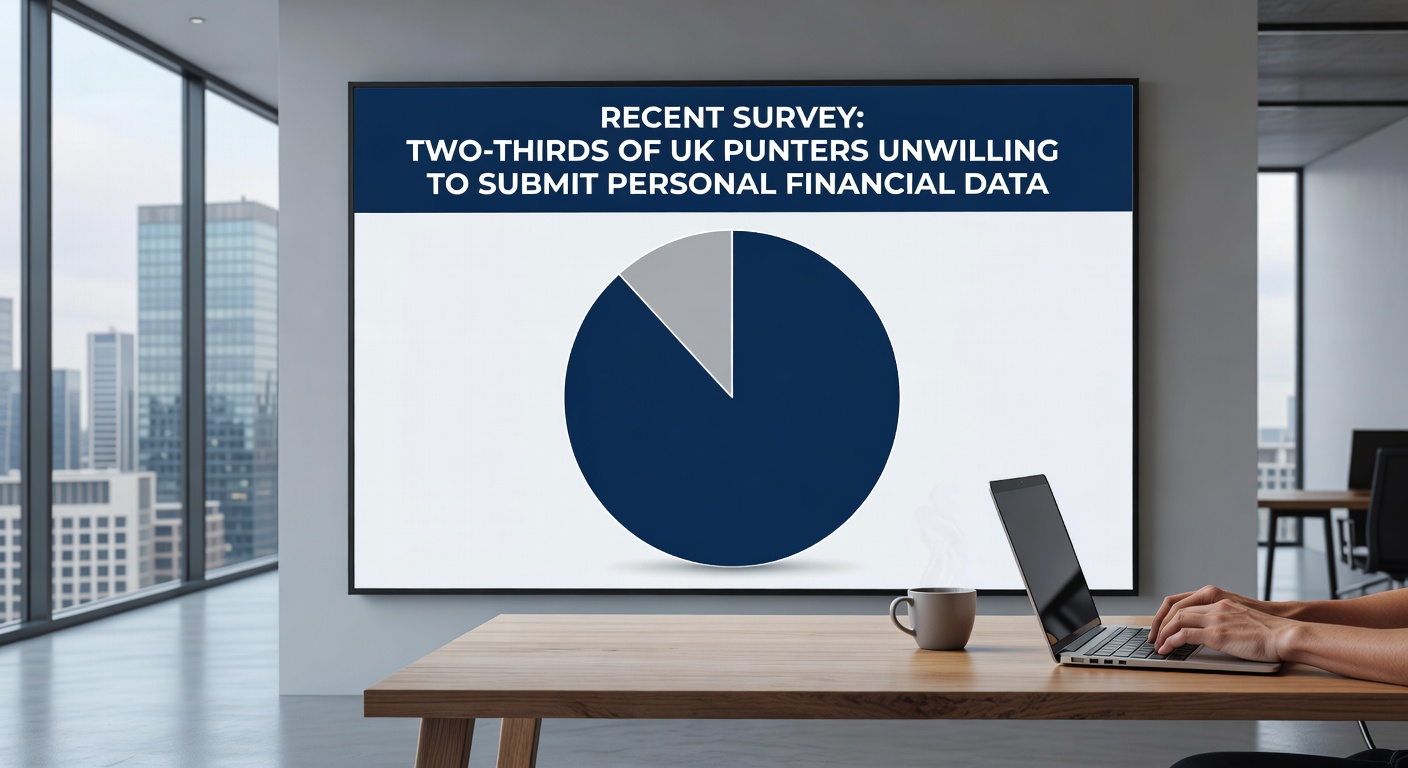 The report further breaks out performance metrics for betting exchanges and peer-to-peer formats which operate under distinct licensing conditions compared with traditional bookmakers. According to the Industry Statistics – Quarterly report – Financial year April 2025 to March 2026, Quarter 3 these segments display different yield trajectories that reflect player preferences shifting toward certain interactive formats. Participation trends show consistent engagement levels across the three-month window with minor dips recorded during holiday periods when some demographic groups reduce activity.
Participation Trends Across Great Britain
Participation data within the release covers both online and in-person gambling and segments results by demographic variables including age and gender. Researchers who analyse these statistics often compare them against previous quarters to identify whether certain groups increased or decreased their involvement. The Commission publishes these breakdowns so policymakers and operators can monitor whether regulatory measures introduced in prior periods continue to shape behaviour in expected ways.
Market performance indicators extend beyond raw yield numbers to include operator numbers and licence activity which together provide context on sector concentration. The statistics also record complaints volumes and self-exclusion registrations which serve as supplementary measures of player protection outcomes during the October to December window. Observers note that these supplementary figures appear alongside core financial data so readers gain a rounded view of industry conditions.
Context Within Broader Regulatory Environment
The quarterly release arrives at a time when the Commission continues to refine its data collection methods following earlier updates to reporting requirements. Operators submit returns under standardised templates which improves consistency across successive quarters and supports year-on-year comparisons. The resulting dataset feeds into wider government assessments of gambling policy effectiveness without requiring additional primary research.
Those who track the sector note that the October to December statistics sit within a financial year already marked by changes to remote game design rules and advertising standards. The report itself does not interpret these policy shifts yet the raw numbers allow independent analysts to test whether intended effects materialise in yield or participation patterns.
Conclusion
The UK Gambling Commission quarterly statistics for October to December 2025 supply the latest official reference point on Gross Gambling Yield participation and remote market performance available to stakeholders in mid-2026. The structured presentation of figures across channels and product types enables ongoing monitoring of trends that have developed over multiple reporting periods. Access to this single consolidated release remains central for anyone requiring verified data on the regulated British gambling market.