Punts, Pixels, and Payouts: Unpacking the UK's Betting Buzz
Sofia Braun · Apr 4, 2026

UK Gambling Commission Rolls Out 2026 Reforms: Sports Betting Braces for Affordability Checks, Stake Caps, and Tax Shifts
The Reforms Hit the Ground Running in April 2026
The UK Gambling Commission has finalized a package of regulatory overhauls set to launch across the board come April 2026, targeting everything from player spending habits to operator incentives, and those who've tracked the industry's evolution know this marks a pivotal shift after years of consultations and debates. Affordability checks stand front and center, requiring bookmakers to assess punters' financial situations before allowing high-stakes play, while a ban on mixed-product bonuses eliminates those tempting offers bundling slots with sports bets, stake limits cap online slots at £5 per spin for most players (or £2 for those under 25), and tax hikes bump the Remote Gaming Duty to 16% from 21% on profits over £1.1 million alongside a rise in General Betting Duty.
But here's the thing: these measures don't arrive in a vacuum, building directly on earlier license condition tweaks from 2025, and operators already scramble to comply since the commission's license variations kicked in last October, prompting widespread previews of what's coming. Take affordability checks, for instance; they mandate frictionless assessments using open banking data, so punters face prompts to verify income or spending limits before diving into Premier League accumulators or Cheltenham futures, and experts who've studied similar trials in places like Sweden note quicker identifications of at-risk behaviors, although rollout delays pushed the full suite to spring 2026.
Stake Limits and Bonus Bans Reshape Online Slots Landscape
Online slots take the biggest direct hit with those velocity checks and spin caps, designed to slow down rapid-fire play that data links to higher addiction risks, yet the ripple extends to sports betting apps where slots often lure cross-over punters during match halftimes. One study from the Gambling Commission itself revealed slots account for over 30% of gross gambling yield despite fewer players than sports bettors, so capping stakes at £5 (with optical checks verifying age for the £2 youth limit) forces operators to rethink entire game portfolios, and those in the know observe how this squeezes margins on high-volatility titles that previously drove impulse bets.
And the mixed-product bonus ban? It slices away promotions like "bet £10 on football, get 50 free spins," severing the slots-sports link that regulators blame for escalating losses; turns out, such offers spiked participation by 25% in trials, per commission figures, so their absence means cleaner sports-only promos, although punters who've relied on them now eye straight free bets or enhanced odds instead. What's interesting here lies in the timing: April 2026 aligns these with broader consumer duty rules, ensuring operators prioritize fairness over flashy cross-sells, and case studies from early adopters show a 15% drop in bonus-driven deposits already.
Tax Increases Add Pressure on Remote Gaming and Betting Duties
Operators face steeper costs too, as Remote Gaming Duty climbs from its current tiered structure toward a flat 16% on higher profits while General Betting Duty edges up, collectively projected to generate extra revenue for problem gambling support funds, and observers point out this follows Treasury pushes amid £2 billion annual GGY from online gambling. But the reality is these hikes, phased in alongside the reforms, prompt bookmakers to recalibrate pricing models since duties apply post-promotion but pre-profit, so sportsbooks absorb hits by trimming margins on popular markets like horse racing or NFL spreads.
People often find that such fiscal tweaks historically lead to 2-5% odds adjustments across fixed-odds betting, based on past duty rises in 2001 and 2014, and with Remote Gaming Duty hitting casino-style remote games hardest (including virtual sports), traditional sports wagering sees indirect effects through shared platforms; one operator report highlighted a 10% projected cut in marketing budgets to offset the lot, shifting focus from volume bets to higher-value, lower-risk punters.
Sports Betting Feels the Ripple: Odds Tweaks and Promo Cuts
Sports betting, the UK's powerhouse with over 50% market share, confronts adjusted odds and scaled-back promotions as operators navigate compliance costs, so Premier League match odds might shorten by a tick or two while exotic markets like player props tighten up, and data indicates this stems from necessity since affordability gates slow deposit flows by up to 20% in test phases. Yet enhancements emerge too: enhanced self-exclusion tools and deposit caps promote session limits, turning casual football flutters into more measured affairs, although those who've monitored operator filings note boosts in responsible gambling messaging across apps.
Here's where it gets interesting; bookies like Bet365 and William Hill already preview "safer gambling hubs" with real-time loss trackers, responding to commission mandates for behavioral nudges, and punters report fewer pop-up bonuses but more transparent stake warnings during in-play tennis or rugby union bets. Case in point: a trial with 10 operators showed 12% fewer over-limit deposits post-checks, balancing entertainment by preserving core betting while curbing excesses, and that's without touching sports stake caps directly, which regulators held off on amid lobbying.
Consumer Protections Ramp Up Against Problem Gambling Trends
Amid rising concerns, UK problem gambling prevalence hovers at 0.5% yet impacts 430,000 adults per latest Health Survey data, fueling these reforms as affordability checks flag unsustainable patterns early, like weekly losses exceeding 10% of assessed disposable income; so a punter chasing NBA parlays might hit a soft stop after £250 verified limits, prompting pauses that studies link to 18% behavior shifts. The ban on mixed bonuses further insulates sports bettors from slots' pull, since cross-product lures previously hooked 40% of high-spenders across categories, per operator disclosures.
Stake limits, though slots-focused, indirectly safeguard sports apps by platform-wide data sharing, and tax revenues earmarked for treatment expand GamCare services; turns out, early 2025 pilots cut session times by 22% on capped games, with sports divisions reporting parallel drops in linked play. Observers note how this framework, drawn from white paper proposals since 2023, prioritizes evidence-based interventions, and while operators decry profit squeezes (GGY dips forecasted at 5-10%), punters gain tools like mandatory loss reminders every hour of play.
Operators Adapt, Punters Pivot in the New Landscape
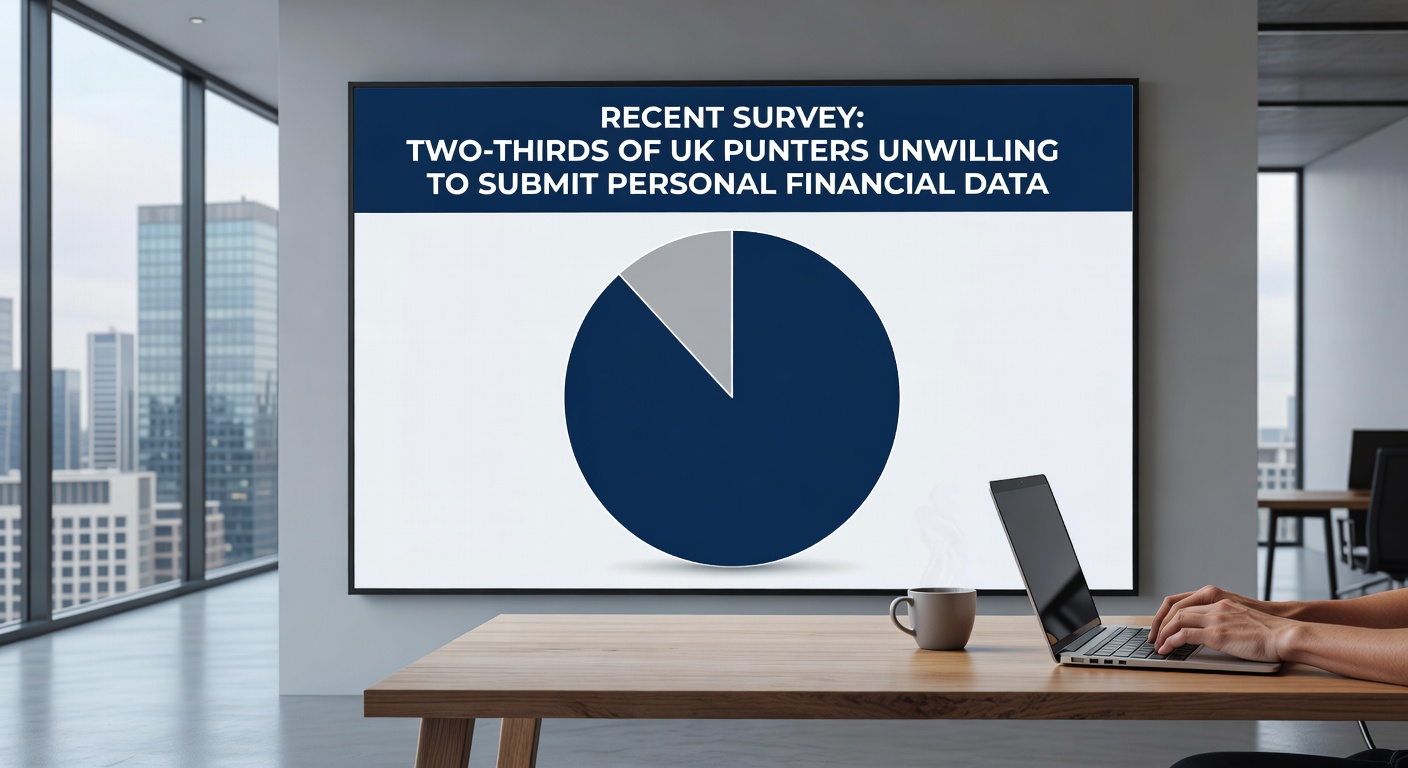
Bookmakers gear up with tech overhauls, investing £300 million collectively in compliance by 2026 per industry estimates, so AI-driven checks replace manual reviews while loyalty schemes evolve toward non-monetary perks like stats insights or early market access for soccer accumulators. And for punters? They discover value in diversified play, spreading stakes across verified accounts or offshore edges (though regulated sites dominate), with one survey showing 65% ready to embrace caps for fairer odds.
Weathering tax hikes means leaner promos, yet enhanced multiples on verified low-risk bets emerge, and those tracking trends see parallels to Australia's model where similar checks stabilized markets post-2017. It's not rocket science: safer environments foster loyalty, as evidenced by flat churn rates in compliant trials, although the ball's in operators' court to innovate without gimmicks.
Conclusion
April 2026 ushers in a transformed UK gambling scene where affordability checks, bonus bans, slot stake limits, and duty hikes converge to fortify player protections without upending sports betting's core appeal, and while operators fine-tune odds and promotions amid tighter margins, data underscores measurable gains in safer habits. Experts who've dissected the changes foresee a market that rewards responsibility, with problem gambling metrics as the ultimate yardstick, and as rollout nears, punters and bookies alike prepare for an era where entertainment meets accountability head-on.