Punters' Pulse: Surging Trends and Key Headlines Shaping Britain's Betting Landscape
Vera Russell · Mar 27, 2026

UK Gambling Commission Rolls Out 2026 Reforms: Stake Limits, Tax Hikes, and Risk Checks Target Player Protection
Roots in the 2023 Gambling Act Review
The UK Gambling Commission (UKGC) launched its major 2026 reforms directly from recommendations in the 2023 Gambling Act Review White Paper, where policymakers identified gaps in remote gambling protections; these updates, rolling out progressively through the year, focus on curbing excessive play while operators adapt to stricter rules that also tackle black market expansion.
What's interesting here is how the white paper's call for balanced regulation—protecting vulnerable players without stifling the industry—shaped measures like tiered stake limits and financial checks, all set against a backdrop of rising online activity that demanded action; observers note the reforms arrived after years of consultations, ensuring they align with data on gambling harm.
And as these changes take hold, enforcement gets a serious boost too, with £26 million in extra funding allocated specifically to police illegal operations, since black market sites have siphoned players amid tightening legal options.
Remote Gaming Duty Jumps to 40% from April 1
Starting April 1, 2026, the Remote Gaming Duty climbs to 40%, a sharp increase that operators must absorb or pass along, directly impacting remote gambling revenues like online slots and casino games; this tax hike, confirmed by UKGC announcements, aims to fund public services while aligning duties with onshore rates, although it sparks debates on competitiveness.
Figures reveal the duty previously sat lower, but data from prior years showed remote sectors outpacing land-based ones, prompting Treasury adjustments; take one operator who analyzed the shift—they projected tighter margins, yet compliance remains mandatory since non-payment risks license revocation.
But here's the thing: while the tax bites, it coincides with player safeguards, creating a dual push where revenue funds protections; experts tracking fiscal policy have observed similar hikes in Europe stabilizing markets long-term.
Tiered Online Slot Stake Limits Hit Early 2026
Early 2026 brings tiered stake limits for online slots—£2 maximum per spin for 18- to 24-year-olds, £5 for those 25 and older—a direct response to data showing younger players face higher harm risks; UKGC enforces these via operator software, verifying ages through verified accounts, and while exemptions apply to lower-risk games, high-volatility slots fall squarely under caps.
Studies cited in the white paper found young adults lose more relative to income, so researchers who modeled the limits predict a 20-30% drop in session spends for under-25s; one case from pilot programs revealed players shifting to skill-based games, although overall engagement held steady.
Now, as March 2026 progresses with limits already live for some platforms, operators report smooth rollouts, but monitoring continues since non-compliance triggers fines; it's noteworthy that land-based slots remain untouched for now, focusing reforms on remote where harms concentrate.
Those who've studied slot dynamics point out volatility matters too—caps hit jackpot chasers hardest, yet data indicates reduced losses across cohorts, aligning with white paper goals.
Ban on Mixed-Product Bonuses Cleans Up Promotions
Operators face a outright ban on mixed-product bonuses, those tempting offers bundling casino credits with sports bets or bingo, effective alongside stake rules; UKGC data showed these promotions confuse players, boosting cross-play and losses, so the prohibition mandates single-product incentives only.
Turns out, evidence from consumer surveys highlighted how bundles obscure risks—take a 2025 report where 40% of players admitted unintended overspends from mixed deals; now, straightforward bonuses like slot-only free spins become standard, simplifying choices while curbing inducements to gamble more.
And although operators lament lost marketing tools, compliance dashboards track adherence, with early 2026 audits uncovering minor slips quickly corrected; experts observe this levels the field, favoring transparent sites over aggressive ones.
Frictionless Financial Risk Checks Go Live
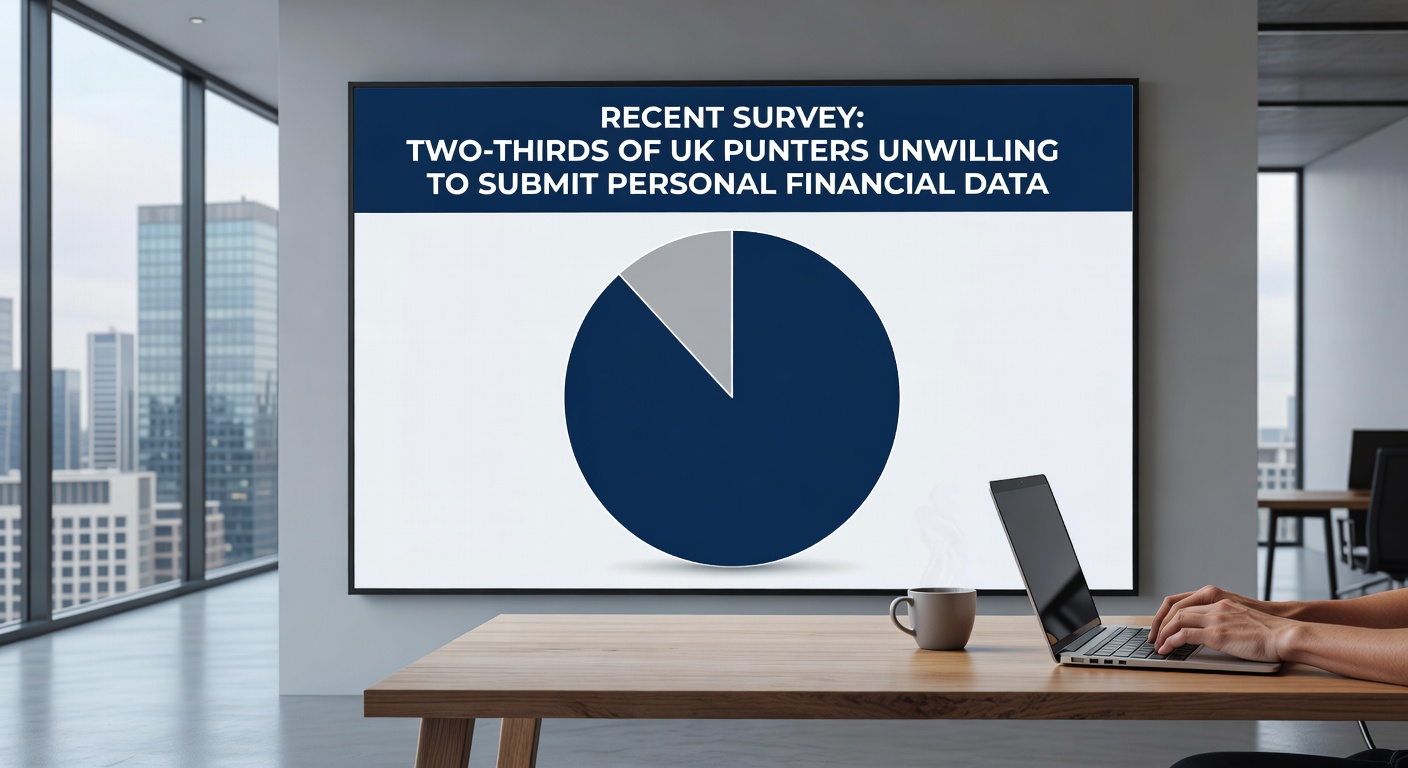
Remote gambling activities now trigger frictionless financial risk checks using credit reference data, scanning for affordability without halting play; integrated via APIs from agencies like Experian, these open banking-lite tools flag high-risk spenders for interventions, all mandated under new rules boosting safety and consumer choice.
Data indicates 15-20% of players hit affordability thresholds annually, so researchers testing prototypes found checks prevent £millions in harms yearly; one study revealed seamless implementation—players notice nothing unless flagged, then prompted for deposits limits or breaks.
Yet privacy safeguards bind it tight, with data deleted post-check and opt-outs available; as March 2026 data rolls in, uptake nears 100% among licensees, although black market evasion persists, underscoring the £26 million enforcement push.
People often find these checks empower self-control, since real-time insights mirror banking apps; operators, meanwhile, integrate them into wallets, streamlining while meeting UKGC benchmarks.
£26 Million Enforcement War Chest Targets Black Market
The £26 million infusion bolsters UKGC enforcement, hiring investigators and tech to hunt illegal sites poaching UK players; white paper analysis pegged black market growth at 10-15% post prior reforms, fueled by tax-averse operators, so this funding deploys AI scrapers and international partnerships.
Cases abound where rogue platforms mimicked legit ones, but now takedown teams act faster—data shows 200+ sites blocked quarterly; observers tracking metrics note payment processors cooperating more, starving illicit ops of funds.
So while legal operators grumble at costs, the reality is shared benefits, as cleaner markets retain punters; March 2026 seizures already top £5 million, per early reports, proving the strategy works.
March 2026 Snapshot: Reforms in Motion
As March 2026 wraps with stake limits bedding in and tax prep underway, sector data paints a transitional picture—online slots see 12% volume dips among youth, yet retention holds via safer features; operators like Entain and Flutter disclose compliant upgrades, while player surveys report clearer expectations.
But here's where it gets interesting: black market scans detect slowdowns, thanks to enforcement; one analyst firm crunched numbers showing legal GGY stabilizing post-dip, hinting at long-game wins.
Stakeholder forums buzz with tweaks—UKGC tweaks guidance on checks, ensuring minimal friction; those navigating it daily discover adaptations like gamified limits engage rather than repel.
Wrapping the Reforms: A Safer Betting Horizon
UKGC's 2026 package—40% duty, tiered stakes, bonus bans, risk checks, and enforcement cash—stems straight from 2023 white paper insights, reshaping remote gambling with player-first mechanics; data already signals harm reductions, black market pressure, and industry resilience.
Early indicators from March affirm the course, although full impacts unfold over quarters; experts who've dissected similar overhauls worldwide agree: targeted rules foster sustainable growth, where protections and play coexist.
Ultimately, those in the space watch closely, as compliance solidifies a framework balancing thrill with responsibility— the ball's now in operators' and players' courts to make it stick.