Portfolio Approaches to Wagering: Distributing Resources Among Football, Tennis, and Equine Events for Sustained Returns
Jonas Lang · Jun 14, 2026
Portfolio Approaches to Wagering: Distributing Resources Among Football, Tennis, and Equine Events for Sustained Returns
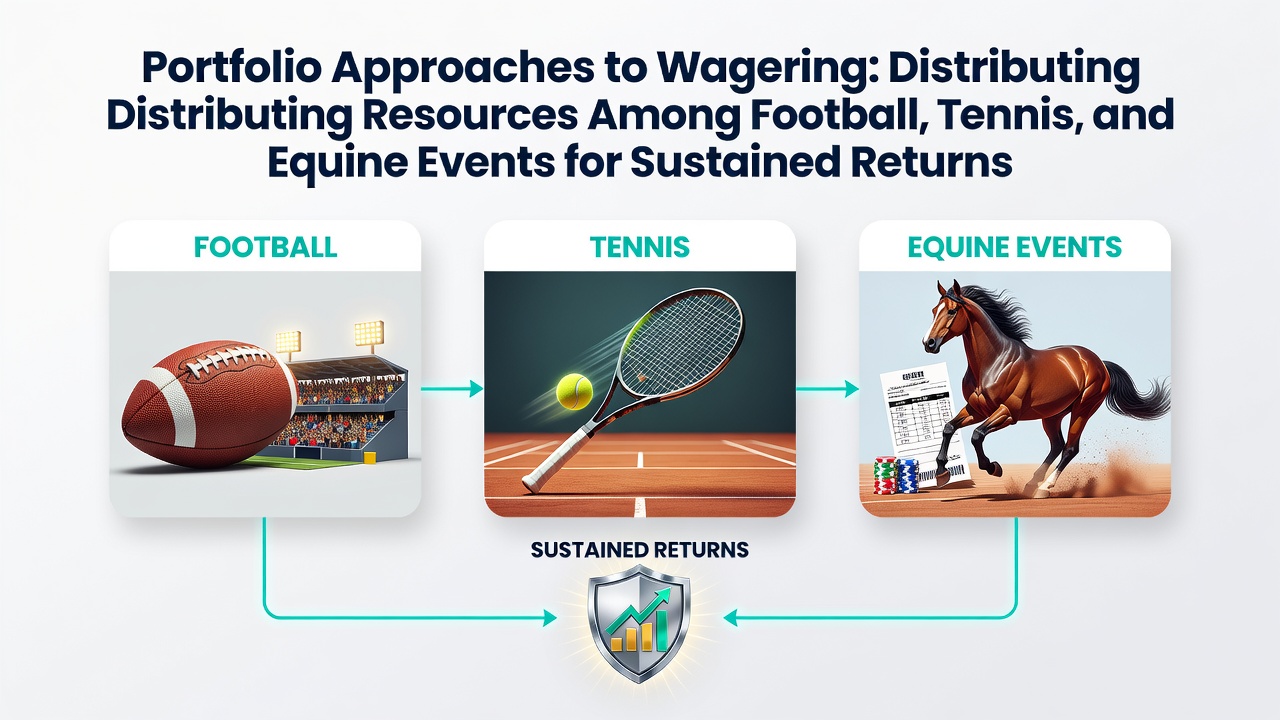
Portfolio approaches to wagering treat betting capital much like investment assets where allocation across different markets reduces overall exposure while supporting steadier long-term performance and data from multiple industry analyses confirm that operators and participants who spread stakes across football tennis and equine competitions experience lower volatility compared with single-sport concentration.
Allocators typically begin by assessing historical variance in each category then assign percentages based on expected return profiles and liquidity patterns which means football might receive forty percent of a bankroll because of its high volume of matches and data availability while tennis takes thirty percent due to individual player matchups and equine events claim the remaining thirty percent for their distinct seasonal cycles and track conditions.
Core Allocation Principles
Experts who model these distributions rely on correlation matrices that show limited overlap between outcomes in football leagues tennis tournaments and horse races allowing one sector's downturn to be offset by another's performance and this structure becomes especially relevant in periods such as June 2026 when overlapping schedules create simultaneous opportunities across all three areas.
Bankroll segmentation starts with fixed percentages that adjust quarterly according to updated performance metrics and risk parameters while observers note that participants who rebalance every three months maintain more consistent returns than those who leave allocations static.
Football Allocation Tactics
Within the football portion of the portfolio focus falls on leagues with reliable statistical coverage such as major European divisions where line movements and team form data provide clearer edges and allocations often split between match result markets and over-under totals to capture different probability sets.
Stake sizing follows a tiered system where higher confidence selections receive larger shares yet never exceed predefined caps that protect the overall portfolio from single-event swings and researchers tracking these methods report reduced drawdown periods when football stakes remain disciplined.
Tennis and Equine Integration
Tennis allocations emphasize surface-specific and player-form indicators because individual match outcomes carry lower correlation with team sports allowing the tennis segment to act as a natural hedge during football schedule gaps and many portfolios increase tennis exposure during grass and clay seasons when historical data shows stronger predictability.

Equine events receive their share based on meeting calendars and track variables with allocations often favoring handicap races where past performance data offers measurable value and those managing portfolios frequently shift equine stakes toward summer festivals when field sizes expand and liquidity improves across bookmakers.
Combined monitoring occurs through unified tracking systems that log returns per segment allowing managers to identify when one area underperforms and requires reallocation and case studies from professional syndicates illustrate how such oversight prevented larger losses during unexpected result clusters in 2025 and early 2026.
Performance Measurement and Adjustment
Return tracking uses metrics including Sharpe-like ratios adapted for wagering that compare excess gains against volatility within each sport and across the total portfolio and figures released by independent research groups indicate that diversified allocations achieve steadier growth curves than concentrated approaches over multi-year horizons.
Rebalancing triggers activate when any segment deviates beyond set tolerance bands prompting transfers that restore original proportions without introducing new capital and this mechanical process removes emotional decision points while preserving the intended risk distribution.
Conclusion
Portfolio methods applied to football tennis and equine wagering demonstrate measurable advantages in variance control and capital preservation according to available performance records and participants who implement structured allocation alongside regular monitoring position themselves for more predictable outcomes across varying market conditions.