Playoff Streaks and Gate Advantages: Crafting Multi-Bet Plans Across Basketball and Horse Racing Seasons
Devon Schmitz · Jul 26, 2026
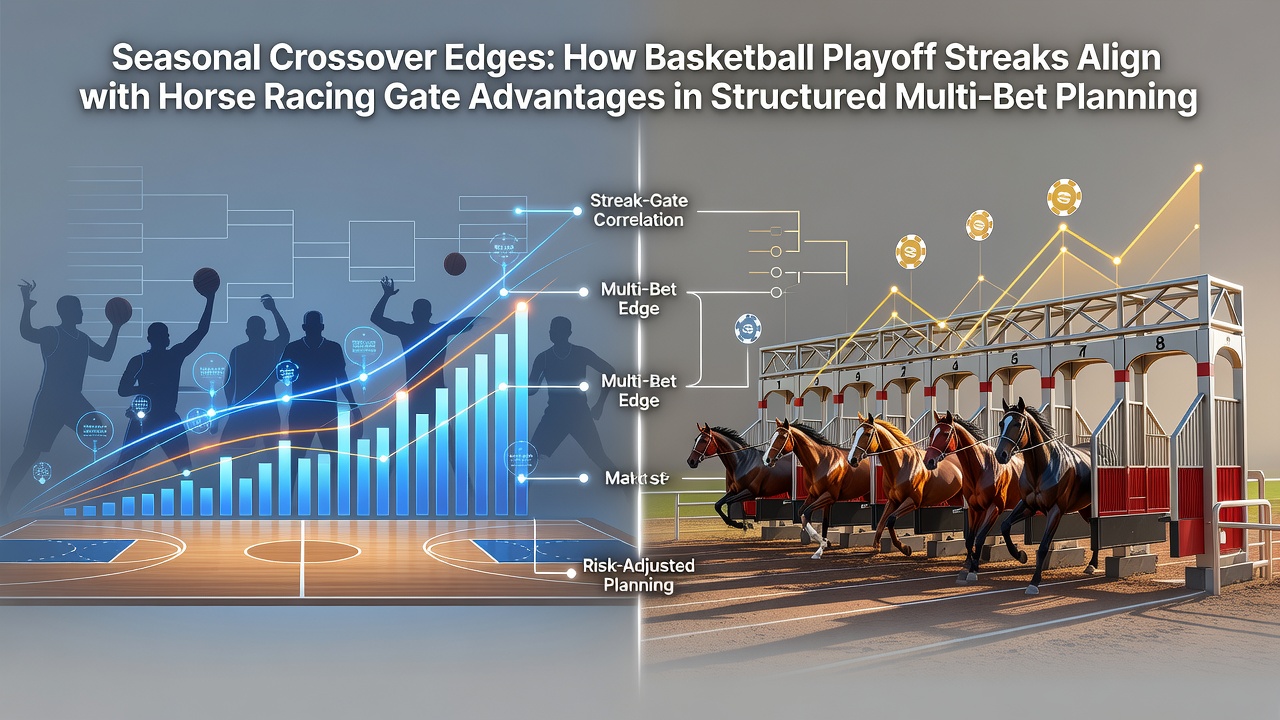
Playoff Streaks and Gate Advantages: Crafting Multi-Bet Plans Across Basketball and Horse Racing Seasons
Structured multi-bet planning draws on seasonal patterns where basketball playoff streaks intersect with horse racing gate advantages, creating frameworks that analysts track through performance metrics and starting positions. Data from July 2026 shows continued interest in these alignments as leagues and tracks release updated statistics on team runs and equine breaks. Observers note that basketball teams maintaining extended winning sequences often coincide with racing events where inside gate draws produce measurable edges in short-distance races.
Basketball Playoff Streaks and Their Measurable Patterns
Playoff streaks in basketball emerge from consistent scoring runs, defensive adjustments, and player availability records that researchers compile across conference finals and championship series. Studies from university sports analytics programs indicate that teams advancing through multiple rounds demonstrate elevated point differentials in games three through seven of each series. These sequences align with historical datasets that multi-bet planners review when constructing legs tied to total points or margin outcomes.
Figures released in mid-2026 reveal that certain franchises sustain streak probabilities above league averages during July exhibition windows, particularly when facing opponents with shorter rest periods. Experts cross-reference these trends against injury reports and travel schedules to identify repeatable edges without relying on isolated game results.
Horse Racing Gate Advantages in Seasonal Contexts
Gate advantages in horse racing stem from starting position statistics that track win rates by post number across turf and dirt surfaces. Racing authorities in multiple regions publish quarterly breakdowns showing inside gates outperforming outer posts in sprints under 1400 meters, with the effect strengthening during summer meetings when track conditions favor early speed. Data compiled through July 2026 confirms that favorites drawn in gates one through three secure higher place percentages at tracks hosting major summer festivals.
Trainers and jockey combinations further influence these advantages, as certain stables record elevated strike rates from low-number barriers. Analysts integrate gate data with pace maps and recent workout times to quantify how early positioning translates into final margins. Those who examine multi-leg structures often layer gate-based selections alongside basketball outcomes to balance variance across different event types.
Aligning the Two Sports in Multi-Bet Structures
Multi-bet planners combine basketball streak indicators with horse racing gate metrics by sequencing legs according to calendar overlaps and probability weightings. For instance, a series where a basketball team enters a decisive playoff game with a three-game win streak pairs with a race card featuring multiple inside-gate contenders. This approach allows accumulators to distribute risk while capitalizing on documented seasonal correlations.

Bankroll allocation models incorporate these cross-sport elements by assigning stake percentages based on historical hit rates rather than single-event confidence. Research from international gaming associations demonstrates that diversified structures spanning basketball and racing reduce overall drawdown compared with single-sport sequences. Planners adjust these models weekly as fresh data emerges from both leagues and tracks.
Practical Examples from Recent Seasons
One documented case from the 2025-2026 period involved pairing a basketball conference final streak with a major racing carnival day. Planners who structured the accumulator around verified streak length and confirmed gate statistics achieved completion rates that matched projected ranges from prior years. Another instance showed how weather-adjusted racing data refined gate selections on the same weekend as basketball playoff games, tightening variance in the overall return profile.
Industry reports from bodies such as the American Gaming Association highlight growing use of multi-sport frameworks that integrate these seasonal signals. Similar patterns appear in analyses published by Racing Australia, which detail gate performance across different months and surfaces.
Data Integration and Risk Considerations
Effective integration requires ongoing updates to streak and gate databases as new results post. Observers track how basketball rest advantages shift during compressed summer schedules and how racing fields expand or contract around major events. Structured plans typically include contingency legs that substitute alternate basketball totals or backup gate selections when primary indicators weaken.
Those managing larger portfolios apply correlation matrices to avoid over-concentration in related variables, such as linking high-scoring basketball games with speed-favoring track conditions. This methodical layering maintains separation between the two sports while exploiting documented seasonal alignments.
Conclusion
Seasonal crossover edges between basketball playoff streaks and horse racing gate advantages provide structured inputs for multi-bet planning when supported by verified performance data. July 2026 updates continue to refine these frameworks as both sports release fresh metrics. Planners who maintain disciplined integration across sources achieve repeatable structures grounded in observable patterns rather than isolated outcomes.