Momentum-Driven Allocation in Layered Multi-Leg Bets Spanning Gridiron, Racquet, and Hoop Competitions
Sofia Braun · Jun 5, 2026
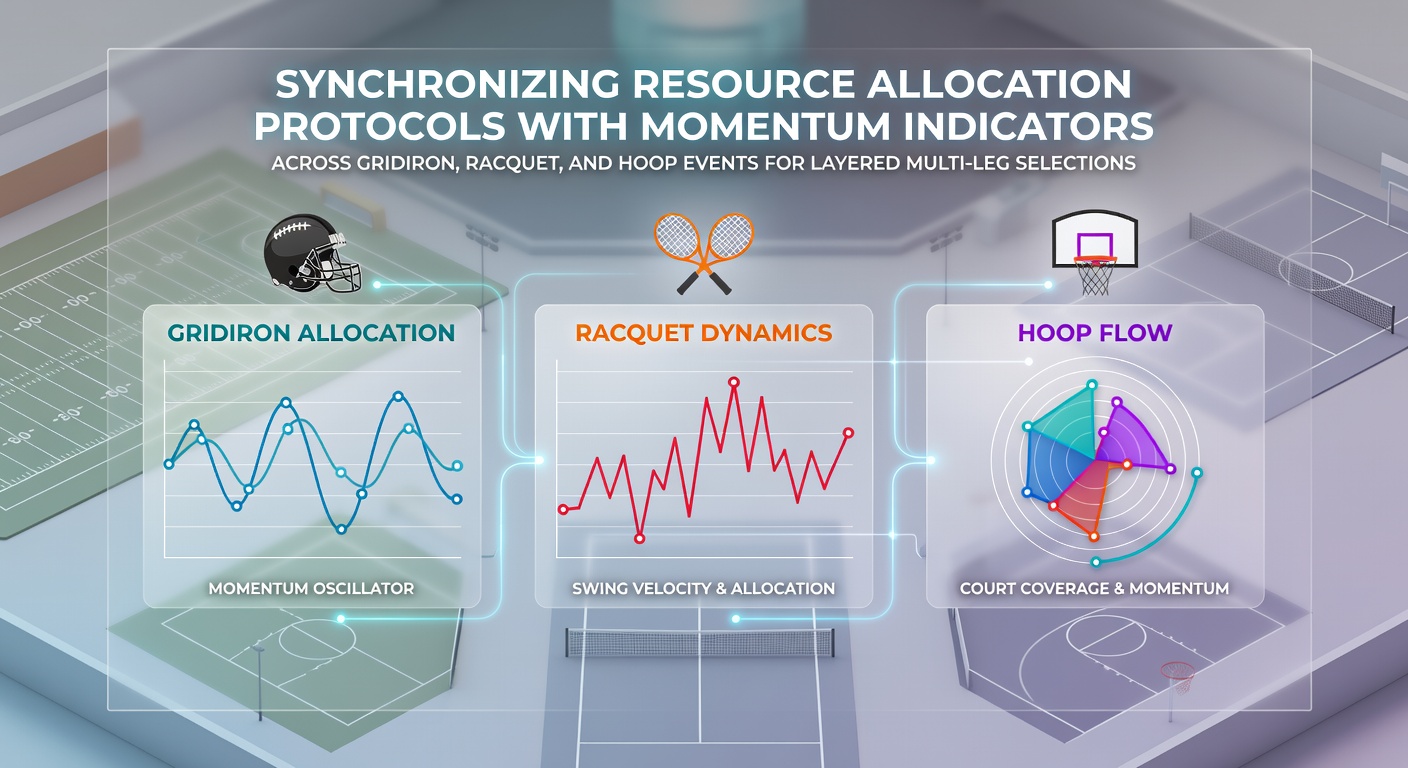
Momentum-Driven Allocation in Layered Multi-Leg Bets Spanning Gridiron, Racquet, and Hoop Competitions
Resource allocation protocols in sports betting have evolved to incorporate momentum indicators drawn from gridiron matchups, racquet tournaments, and hoop leagues, creating frameworks that support layered multi-leg selections. These approaches rely on measurable performance streaks, recent form data, and statistical correlations that link individual event outcomes to cumulative accumulator structures. Observers note that such synchronization allows bettors to adjust stake distributions dynamically while maintaining consistency across multiple sports categories.
Defining Core Components in Multi-Sport Contexts
Gridiron events supply momentum data through metrics such as offensive yardage trends, defensive turnover rates, and consecutive scoring sequences, whereas racquet competitions contribute through serve hold percentages, break point conversion patterns, and set-by-set momentum shifts. Hoop events add layers via scoring run differentials, rebounding efficiency streaks, and three-point shooting percentages that fluctuate across quarters. When these indicators align with allocation protocols, the resulting models distribute capital across selections that share common momentum characteristics rather than treating each leg in isolation.
Studies from sports analytics groups indicate that layered selections perform differently when momentum thresholds filter the underlying events. For instance, a protocol might allocate larger portions to gridiron games showing sustained drive efficiency while scaling back exposure in racquet matches where serve dominance has recently declined. This method draws from observed patterns where momentum continuity across unrelated sports still produces correlated variance in accumulator results.
Integration Techniques Across Event Types
Practitioners combine momentum signals by first establishing baseline allocation rules, then overlaying sport-specific indicators that adjust those baselines in real time. In gridiron contexts, a positive momentum window might trigger incremental increases in stake weighting, provided the same protocol applies equivalent filters to racquet events where point-spread momentum has held steady over multiple matches. Hoop competitions receive parallel treatment through run-based indicators that either reinforce or temper the overall allocation.
Data compiled by the American Gaming Association shows that operators tracking multi-sport parlays recorded measurable shifts in bet distribution during periods when momentum indicators were actively synchronized. These adjustments appeared most pronounced in selections spanning at least three legs, where cross-sport momentum alignment reduced the frequency of early busts compared with unsynchronized approaches.
Application in Layered Accumulator Construction
Layered multi-leg selections benefit when allocation protocols treat momentum as a shared variable rather than isolated triggers. A selection spanning one gridiron contest, two racquet matches, and a hoop fixture might receive staged funding: an initial base stake scaled according to the weakest momentum signal, followed by supplemental portions released only after confirmation that secondary indicators remain intact. This staged release mirrors practices documented in professional bankroll management literature and reduces the impact of isolated momentum reversals.
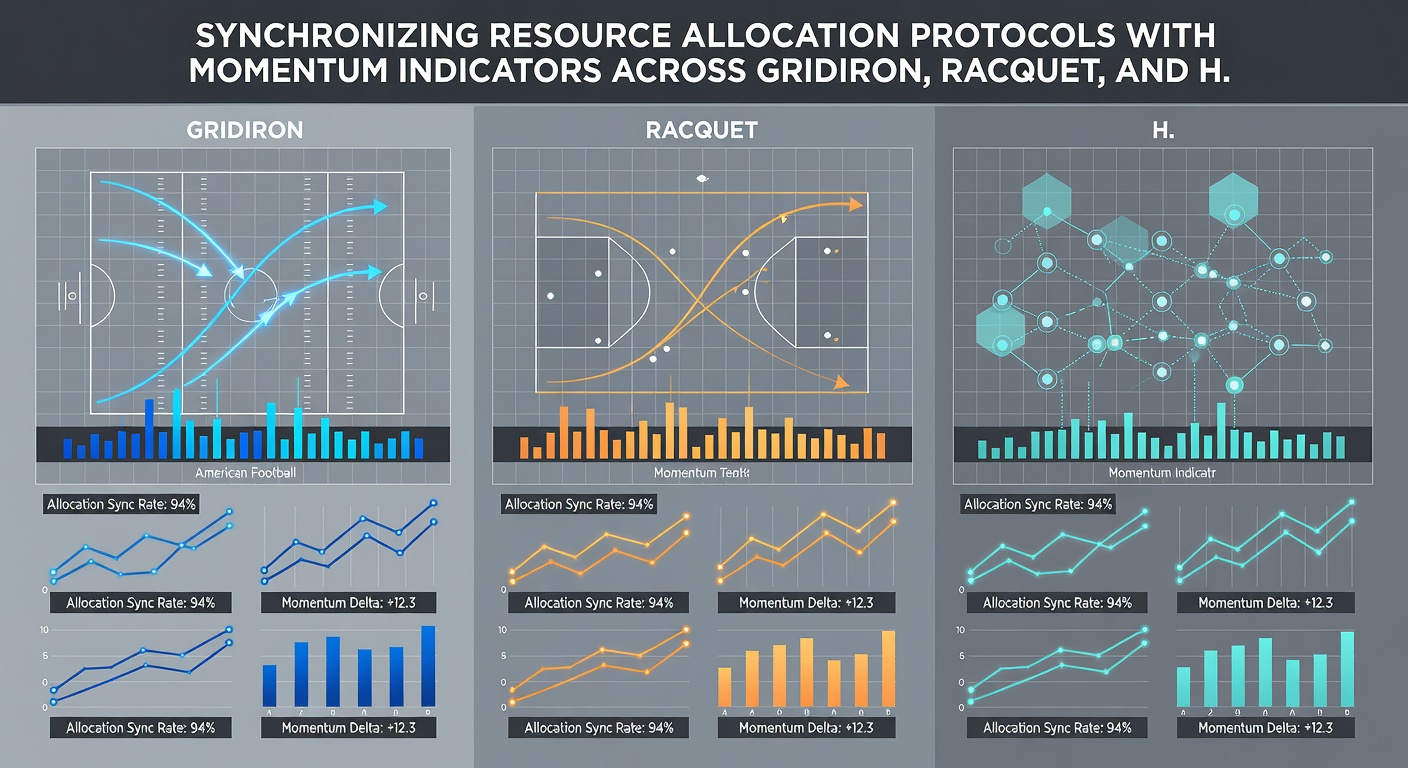
June 2026 schedules present a concentrated window for testing these protocols, as overlapping gridiron off-season training reports, European racquet swing seasons, and playoff hoop campaigns coincide within the same calendar month. Analysts tracking these periods have recorded instances where synchronized momentum filters identified accumulator structures with tighter variance bands than randomly assembled equivalents.
Measurement and Adjustment Mechanisms
Effective synchronization requires ongoing measurement of indicator reliability across each sport. Gridiron momentum often exhibits longer persistence windows than racquet events, where single-set reversals can erase prior signals. Hoop momentum tends to operate on shorter cycles tied to individual quarters or halves. Protocols that normalize these differing time scales through weighted averaging produce allocation adjustments that reflect cross-sport realities rather than sport-specific assumptions.
Research published by the Sports Science Institute of Australia examined accumulator performance when momentum indicators were synchronized versus applied independently. The findings revealed that synchronized versions maintained steadier capital deployment rates across extended sequences, particularly when selections crossed gridiron, racquet, and hoop boundaries.
Conclusion
Protocols that coordinate resource allocation with momentum indicators across gridiron, racquet, and hoop events offer structured pathways for managing layered multi-leg selections. These methods rely on measurable performance data and cross-sport correlation patterns rather than isolated event analysis. As scheduling overlaps continue into 2026, the frameworks provide consistent mechanisms for adjusting stake distributions while preserving the layered structure that defines accumulator strategies.