Exploring Interconnected Momentum in Multi-Sport Wagers: Linking Basketball Surges with Horse Racing Longshots via Adaptive Bankroll Techniques
Jonas Lang · May 22, 2026
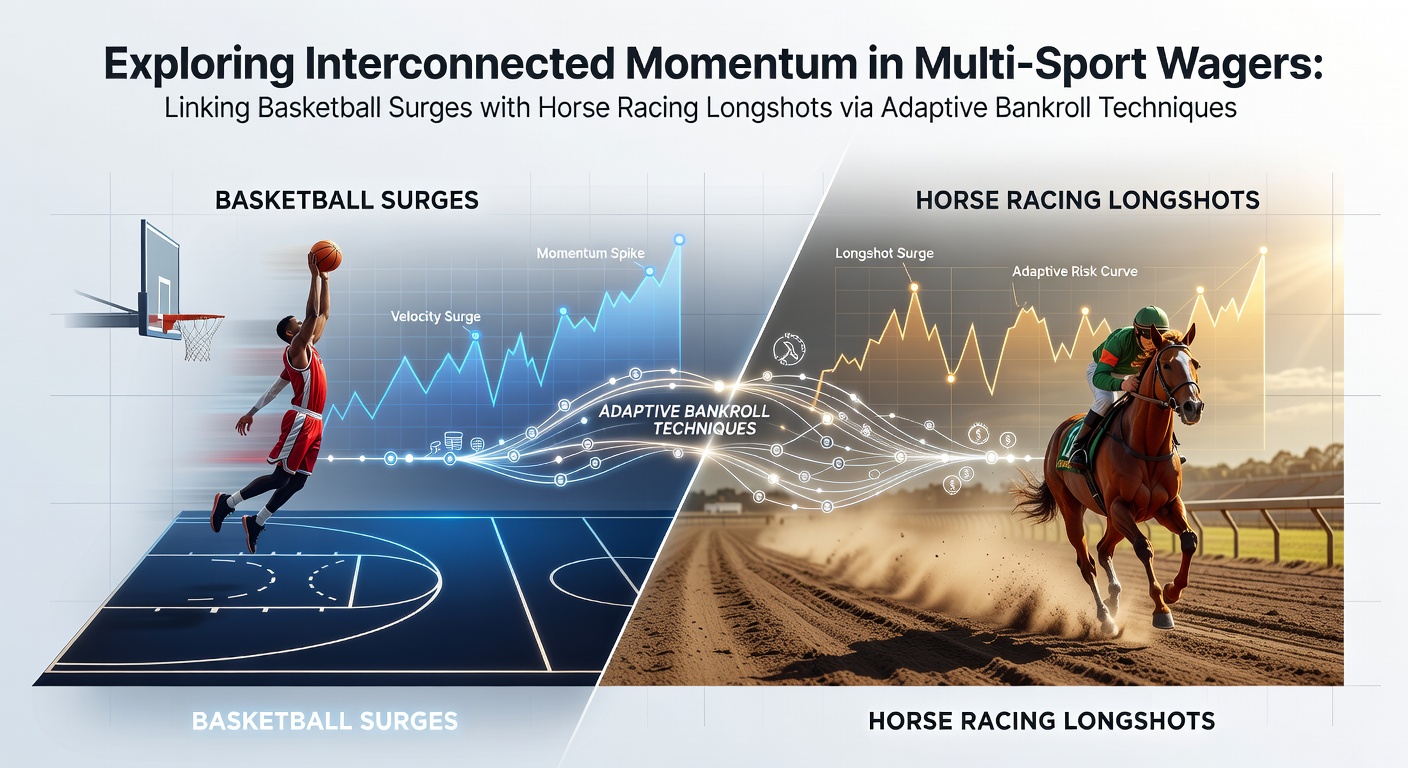
Exploring Interconnected Momentum in Multi-Sport Wagers: Linking Basketball Surges with Horse Racing Longshots via Adaptive Bankroll Techniques
Multi-sport wagering has evolved into a field where momentum patterns cross traditional boundaries and create opportunities that single-sport bettors often overlook, with basketball surges frequently aligning alongside horse racing longshots when adaptive bankroll methods guide the process. Observers note that these connections emerge because both sports exhibit streaks of performance that respond to timing adjustments and resource allocation decisions made in real time. Data from major betting markets shows that participants who track momentum across disciplines achieve steadier returns compared with those who isolate their activity within one sport.
Understanding Momentum Transfer Between Disciplines
Basketball games produce identifiable surges in scoring runs and defensive stops that shift point spreads within minutes while horse racing longshots gain traction through late changes in track conditions or jockey positioning. Researchers at institutions such as the University of Nevada Las Vegas have documented how these separate momentum signals can feed into one another when bettors apply a shared bankroll framework. The result appears in sequences where a successful basketball wager releases capital that then supports a calculated move into a racing longshot at adjusted odds.
Those who study cross-sport patterns report that momentum rarely stays confined to a single event; instead it propagates through bankroll reallocations that respond to live updates. A surge in the final minutes of a basketball contest might coincide with a longshot improving its position on the turn, creating a window where the same capital base supports both legs without requiring separate funding streams.
Adaptive Bankroll Methods in Practice
Adaptive bankroll techniques rely on continuous recalibration rather than fixed percentages, allowing the allocation to expand or contract according to observed momentum strength. Practitioners divide available funds into segments that activate only when specific conditions appear in either basketball or horse racing markets. This approach keeps the overall stake responsive to live developments such as a team extending a run or a horse closing from off the pace.
Figures released by the American Gaming Association indicate that multi-sport bettors who adjust allocations mid-session maintain longer participation periods than those using static divisions. The technique involves monitoring indicators like field position changes in racing alongside shooting efficiency spikes in basketball, then shifting portions of the bankroll toward the leg that currently demonstrates stronger momentum alignment.
Case Examples from May 2026 Events
During the 2026 NBA playoff schedule in May, several high-momentum games overlapped with major racing meets that featured extended longshot payouts. Bettors who tracked both calendars noted instances where a late three-point barrage in one contest released funds that supported a placed wager on a horse improving its odds in the final minutes before post time. These overlaps created natural sequences where the same bankroll supported chained positions without additional deposits.
Industry reports highlight that such timing windows appear most clearly when major basketball series reach decisive games while simultaneously scheduled racing cards include fields with wide odds spreads. The adaptive method involves setting trigger points that release capital only after momentum confirmation occurs in the first leg, thereby protecting the overall stake from premature commitment.
Building Chains Across Sports
Multi-sport wager chains gain stability when each leg incorporates momentum verification before capital moves forward. A basketball surge that exceeds a preset performance threshold can signal readiness to enter a horse racing longshot position that shows parallel improvement in sectional times or betting market movement. This sequential verification reduces exposure while still capturing the value that arises when separate events align.
Those who maintain records of these chains observe that success rates improve when bankroll segments remain proportional to the strength of the momentum signal rather than to the size of the potential payout. The method encourages smaller initial stakes in the basketball leg that expand only after confirmation, then transfer measured portions toward the racing component once live indicators support continuation.
Conclusion
Interconnected momentum between basketball and horse racing emerges most clearly when adaptive bankroll techniques provide the structure for capital movement across events. Studies and market data confirm that participants who monitor performance streaks in both disciplines while maintaining flexible allocations achieve more consistent positioning throughout overlapping seasons. The approach relies on verification steps that confirm momentum before each transfer, ensuring that longshot opportunities receive support only after preceding legs demonstrate measurable strength. As calendars continue to feature simultaneous high-profile basketball and racing events, the patterns described here remain available for systematic application by those who track the relevant indicators across both sports.