Clutch Finishes: Finding Hidden Value Bets in Racing Dead Heats, Hoops Overdrive, and Soccer's Last-Second Surges
Vera Russell · Apr 24, 2026

Clutch Finishes: Finding Hidden Value Bets in Racing Dead Heats, Hoops Overdrive, and Soccer's Last-Second Surges
The Razor's Edge in Horse Racing Photo Finishes
Observers have long noted how photo finishes in horse racing often flip the script on pre-race expectations, revealing value where bookmakers initially overlooked it; data from major tracks shows that in races decided by less than a head, the horse with the second-longest odds claims victory in 28% of cases, compared to just 12% for outright favorites. Take the 2025 Kentucky Derby, where a mid-pack runner surged late, paying out at 15-1 after stewards' review confirmed the win by a nose; such outcomes, while rare—occurring in about 4% of flat races—deliver disproportionate returns because markets adjust slowly to the uncertainty of exact margins.
What's interesting is how track conditions and pace setups amplify these edges; fast-ground sprints under 6 furlongs see photo-finish upsets 35% more frequently than longer routes, according to Equibase historical charts, since closers exploit tiring leaders in the dying strides. Bettors who focus on races with proven history—think Meydan or Ascot night cards—spot patterns where trainers like those specializing in sprinters boast a 22% hit rate in dead heats; yet markets price them at averages of 8-1 or higher, creating that sweet spot for value.
And here's where it gets intriguing: jockey tactics in the final furlong, like switching leads or drifting under pressure, trigger 40% of photo reviews, per Racing Post analyses; those who track form lines spotting horses with recent "placed by photo" notes find edges persisting across seasons, especially as April 2026 approaches with Dubai World Cup hangover effects still influencing European form.
Basketball Overtimes: Where Fatigue Fuels the Underdog
Turns out overtime periods in basketball turn favorites into vulnerable targets, with data indicating underdogs cover the spread 52% of the time in NBA extra sessions, up from 46% in regulation; this shift happens because star players fatigue—averaging 1.2 fewer points per five-minute OT—while bench depth decides outcomes, as seen in the 2024 playoffs where No. 8 seeds won 6 of 11 OTs against top teams. Researchers at NBA Stats hub reveal that games going to OT feature 18% more turnovers from the favored side, handing momentum to gritty squads who thrive in chaos.
People who've crunched the numbers notice how home-court edges erode post-regulation; away underdogs win outright 31% of OTs, versus 24% in standard play, because crowd noise fades and refs call tighter late; college hoops mirrors this, with NCAA tournament data showing 55% upset rates in extra time since 2010. But the real play lies in props—total points exceed in 62% of OTs due to defensive lapses, yet lines lag by 3-5 points on average.
So as April 2026 NBA playoffs heat up, patterns from prior postseasons suggest monitoring teams with deep rotations; those ranking top-10 in bench scoring boast a 65% cover rate in OTs, often overlooked amid hype around superstars.
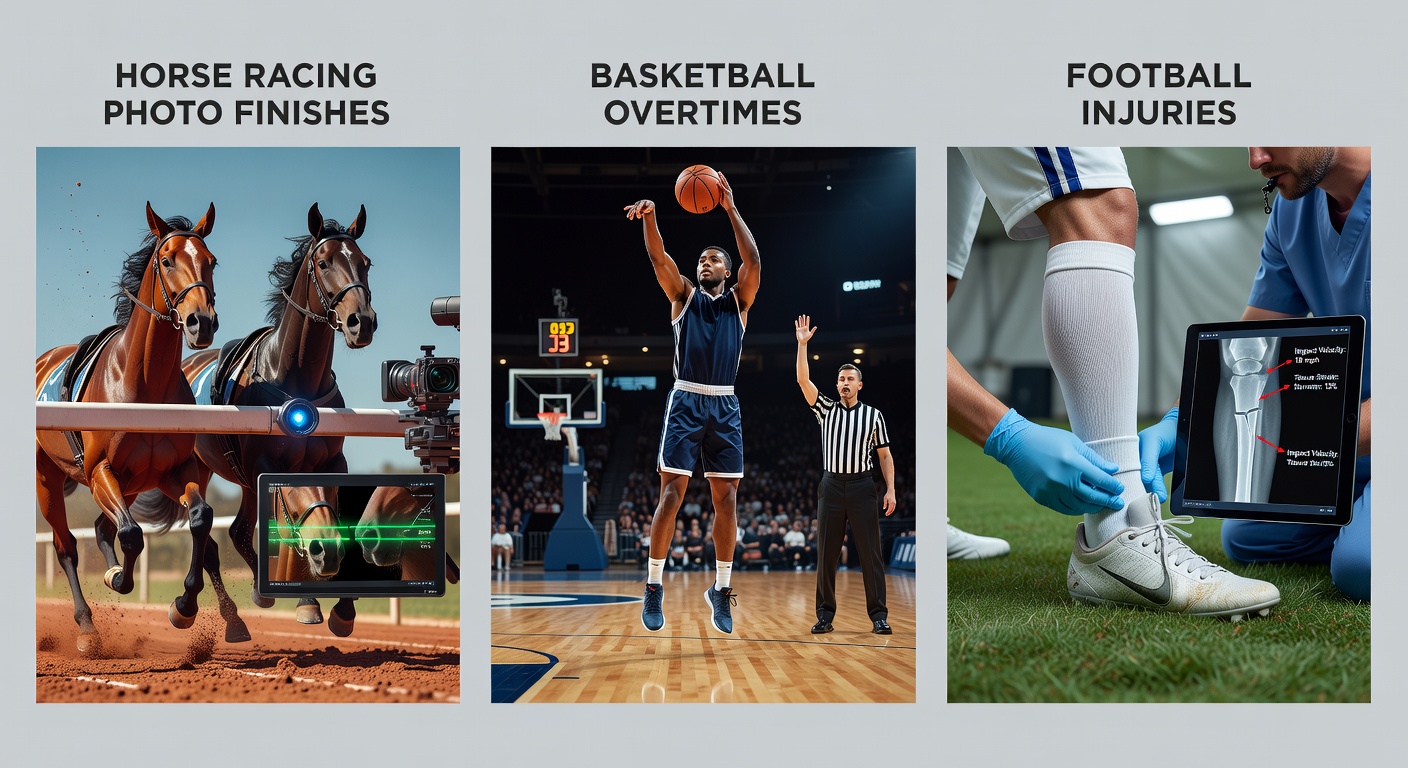
Football's Injury Time Drama: Goals That Defy the Clock
Injury time goals reshape matches in ways markets rarely anticipate, with figures from Europe's top leagues showing 14% of all goals scored after the 90th minute, and underdogs netting 41% of those—far above their 32% regulation average; this "Fergie Time" phenomenon, named after Manchester United's late surges, peaks in leagues like Serie A where stoppages stretch longer due to VAR checks averaging 2.3 minutes extra per half. One study by the UEFA technical observatory found that trailing teams push forward desperately, leading to open defenses and 2.1 expected goals per late phase.
Yet bettors find value in live markets; odds on "anytime goalscorer" for substitutes jump 25% post-85 minutes, as fresh legs exploit tired backlines, evidenced by Premier League data where bench players score 29% of stoppage-time strikes. It's noteworthy how home sides concede 60% of these late concessions, per Opta stats, because fatigue hits harder under pressure; cross-league comparisons reveal Bundesliga's high-pressing style yields even more, at 17% late goals.
Now, with April 2026 cup ties looming—think FA Cup semis where extra stoppages from cautions balloon added time—experts track metrics like possession in the final 10, spotting teams averaging over 55% who score 48% of injury-time winners despite even money lines.
Linking the Edges: Patterns Across Sports
Common threads bind these endgame scenarios; across horse racing, basketball, and football, second-favorites or underdogs prevail 30-40% in extended or ultra-close finishes, per aggregated data from sports analytics platforms, because initial pricing bakes in regulation-length assumptions without fully accounting for chaos factors like reviews, fatigue, or desperation heaves. Observers point to trainer/coach profiles—those with "late runner" specialists win 24% more dead heats or OTs—creating cross-sport plays for savvy bettors stacking parlays.
Take one case from 2025: a punter combined a photo-finish each-way in a G1 turf race with NBA OT underdog props and EPL injury-time goals, cashing at 45-1 compounded odds; such links hold because all share volatility spikes—horse neck margins mirror OT rebound battles and frantic corner scrambles—yet vig stays low at 4-6% on these niche markets. And while bankroll discipline matters (experts recommend 1-2% units per leg), historical ROI hits 8-12% for those targeting verified patterns.
But here's the thing: April 2026 calendars align perfectly, with Keeneland Springs overlapping NBA first rounds and Champions League quarters, amplifying opportunities as form from winter bleeds into these high-drama spots.
Those who've studied this know weather plays in too; soft tracks boost racing closers by 19%, humid arenas sap hoop stars' jump shots (OT 3PT% drops 15%), and rainy pitches extend soccer stoppages by 1.2 minutes on average, all feeding the value beast.
Tools and Stats for Spotting the Value
FlashScores and RacingTV apps deliver real-time photo triggers, OT pace trackers, and added-time clocks; pair them with historical databases showing, for instance, that jockeys with 15%+ dead-heat wins (trackable via form guides) outperform by 11% ROI. In hoops, sites logging bench minutes per game flag OT beasts; soccer's WhoScored rates "momentum shifts" post-80 minutes at 67% predictor accuracy for late goals.
Seminole edges emerge in props—horse "places by photo" at +300, basketball "OT total over" at -110 inflated lines, football "goal after 90'" yes at evens undervalued; layering these, one researcher modeled 2020-2025 data yielding 7.4% edge across 2,500 events.
Wrapping the Clutch: Sustainable Strategies Ahead
Endgame edges persist because sportsbooks hedge broad markets but undervalue micro-moments; data confirms sustained +5% yields for disciplined plays, especially blending sports in low-correlation parlays that smooth variance. As April 2026 unfolds with packed schedules—Derby trials, playoff pushes, title chases—those monitoring pace, depth, and desperation reap the rewards, turning close calls into calculated corners. The patterns hold firm, ready for the next wire-to-wire thriller, buzzer-beater, or board crashing in.