Britain's Wagering Winds of Change: Emerging Trends in Sports Betting and Beyond
Jonas Lang · May 24, 2026

UK Gambling Commission Rolls Out Major 2026 Reforms for Online Player Protection
The UK Gambling Commission has introduced a series of regulatory reforms set to take effect from early 2026, with the 40% Remote Gaming Duty commencing on April 1, and these measures focus on tightening player safety protocols while increasing transparency across the online gambling sector, according to details outlined in recent announcements tied to the 2023 White Paper.
Operators now face a near-doubling of the tax rate applied to remote gaming revenue, shifting from the previous 21% level to 40%, a change that aligns with broader efforts to balance fiscal responsibilities against the need for robust harm prevention strategies, and this adjustment begins alongside other structural updates that reshape how platforms handle stakes, bonuses, and customer assessments.
Tax Adjustments and Their Timeline
Remote Gaming Duty rises sharply under the new framework, moving revenue taxation to 40% effective April 1 2026, which builds on consultations that examined pressures from elevated rates potentially shifting player activity toward unregulated channels, while the UK Gambling Commission coordinates these fiscal elements with safety enhancements drawn directly from post-2023 White Paper recommendations.
Implementation spreads across the opening months of the year, allowing operators time to adjust systems before the full duty rate activates, and data from regulatory reviews indicate that such tax realignments aim to sustain industry contributions without undermining licensed market stability.
Stake Limits Introduced for Online Slots
Tiered statutory stake limits now apply to online slots, capping spins at £2 for players aged 18 to 24 and £5 for those 25 and older, measures that respond to age-specific risk profiles identified in earlier policy discussions and integrate into the wider package of reforms rolling out from early 2026 onward.
These limits operate as binding requirements enforced by the UK Gambling Commission, ensuring platforms enforce age verification at the point of play, and figures from prior consultations show how such tiered structures differentiate protections based on demographic vulnerability data collected over multiple review cycles.
Compliance timelines align with the April duty increase, giving sites several months to update interfaces and backend controls, while observers note that these caps connect directly to evidence gathered during the 2023 White Paper process regarding patterns of play among younger adults.
Ban on Mixed-Product Bonuses Takes Effect
A complete prohibition on mixed-product bonuses forms another core element of the reforms, preventing operators from combining incentives across different game types in ways that could obscure spending tracking, and this rule activates alongside the stake limits and duty changes in the early part of 2026.
The UK Gambling Commission has specified that such bonuses previously allowed cross-promotion that complicated affordability monitoring, so the ban streamlines bonus structures to single-product formats only, a shift that ties into ongoing transparency goals established after the 2023 White Paper consultations.
Platforms must revise their promotional offerings before the deadline, ensuring all marketing complies with the new separation requirements, and regulatory updates confirm that enforcement will rely on existing audit mechanisms already in place for licensed operators.
Frictionless Financial Vulnerability Checks Roll Out
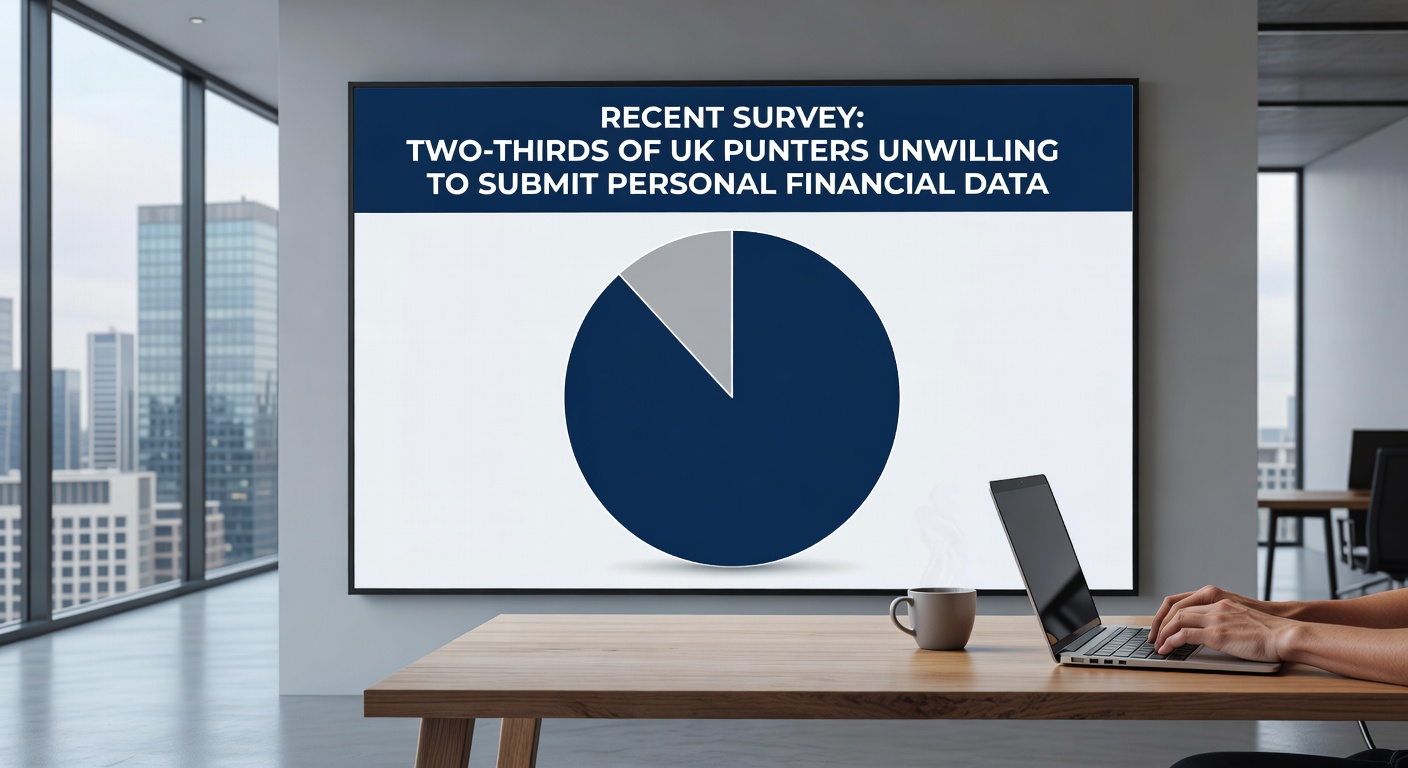
Frictionless financial vulnerability checks, which draw on background data sources rather than direct customer input, begin deployment as part of the 2026 safety upgrades, allowing operators to assess risk levels without interrupting gameplay for most users while still flagging potential issues early.
These checks utilize established credit and financial datasets to identify vulnerability indicators, a method refined through trials referenced in post-White Paper guidance, and the approach reduces friction for the majority of players yet maintains rigorous oversight where data signals elevated concern.
The UK Gambling Commission oversees the integration of these tools, linking them to the same April 2026 timeline as the Remote Gaming Duty increase, and documentation from the regulator highlights how background data methods support both harm reduction and operational efficiency for compliant sites.
Connection to 2023 White Paper Objectives
All listed reforms trace back to commitments made in the 2023 White Paper, which called for updated rules on taxation, staking, bonuses, and affordability to address evolving online gambling risks, and the 2026 rollout represents the phased delivery of those earlier proposals through coordinated regulatory action.
Stake limits, the bonus ban, and vulnerability screening each address distinct White Paper recommendations, while the tax adjustment incorporates separate Treasury considerations that acknowledge potential market displacement effects, creating an interconnected framework that the UK Gambling Commission now enforces across licensed remote operators.
Conclusion
The package of changes effective from early 2026, including the April Remote Gaming Duty shift, establishes clearer boundaries for online gambling operations in the UK, with each component reinforcing player protections and market transparency in line with prior policy foundations, and further details remain accessible through official channels maintained by the UK Gambling Commission.